

Residential Stats
The Greater Toronto Area housing market followed an unfamiliar path in 2020. Following the steep COVID-induced drop-off in demand during the spring, home sales roared back to record levels throughout the summer and fall. A strong economic rebound in many sectors of the economy, ultra-low borrowing costs and the enhanced use of technology for virtual open houses and showings fuelled and sustained the housing market recovery.
–Lisa Patel, TRREB President
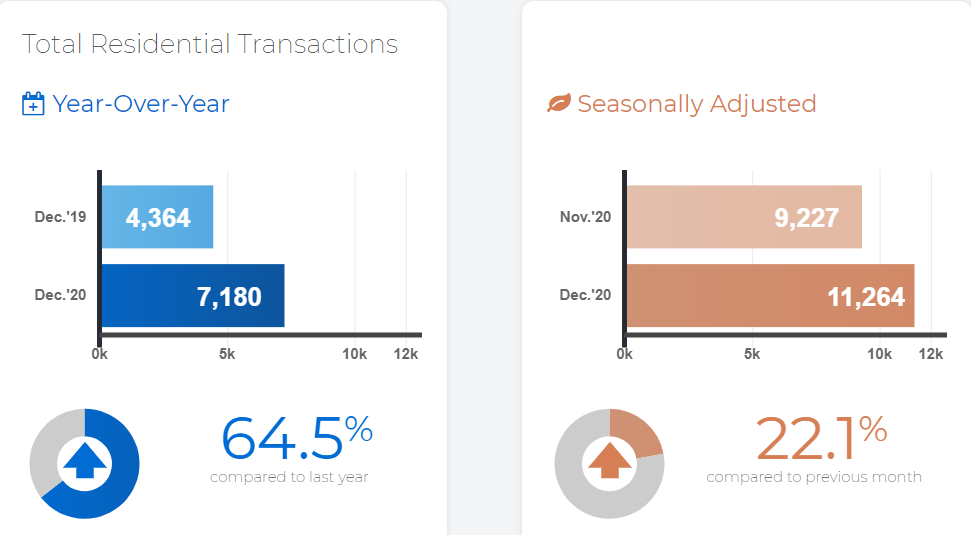
Average Selling Price
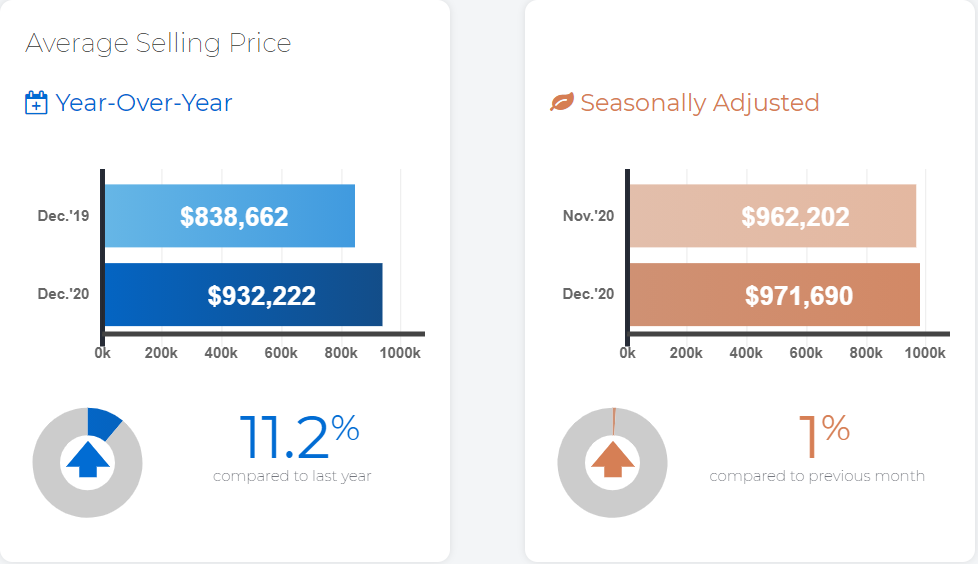
Total New Listings
While the housing market as a whole recovered strongly in 2020, there was a dichotomy between the single-family market segments and the condominium apartment segment. The supply of single-family homes remained constrained resulting in strong competition between buyers and double-digit price increases. In contrast, growth in condo listings far-outstripped growth in sales. Increased choice for condo buyers ultimately led to more bargaining power and a year-over-year dip in average condo selling prices during the last few months of the year.
– Jason Mercer, Director, Market Analysis, TREB
.PNG)
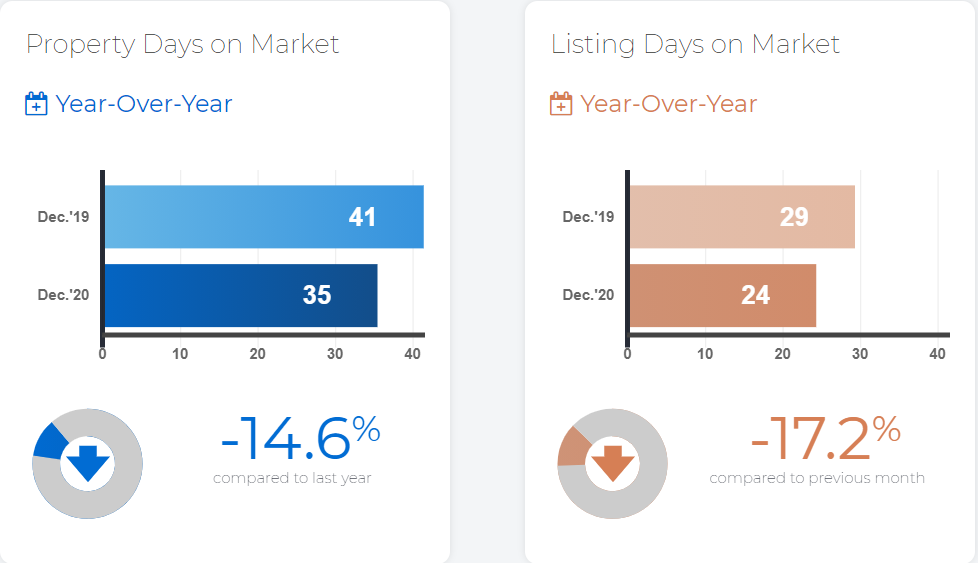
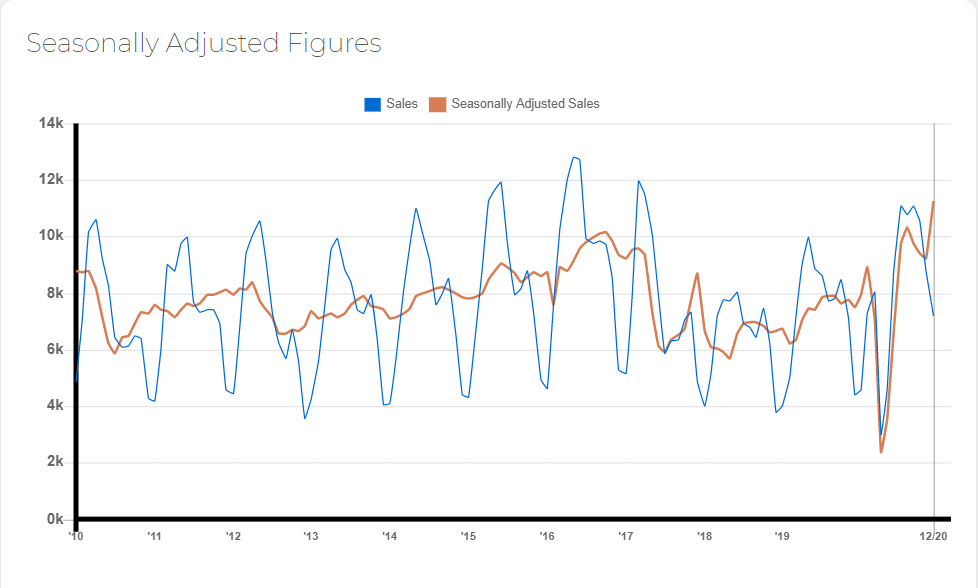
Seasonally Adjusted Figures
Seasonality refers to a monthly (or quarterly) pattern that occurs in roughly the same manner from one year to the next, e.g., sales are highest in the spring and lowest in the winter each year.
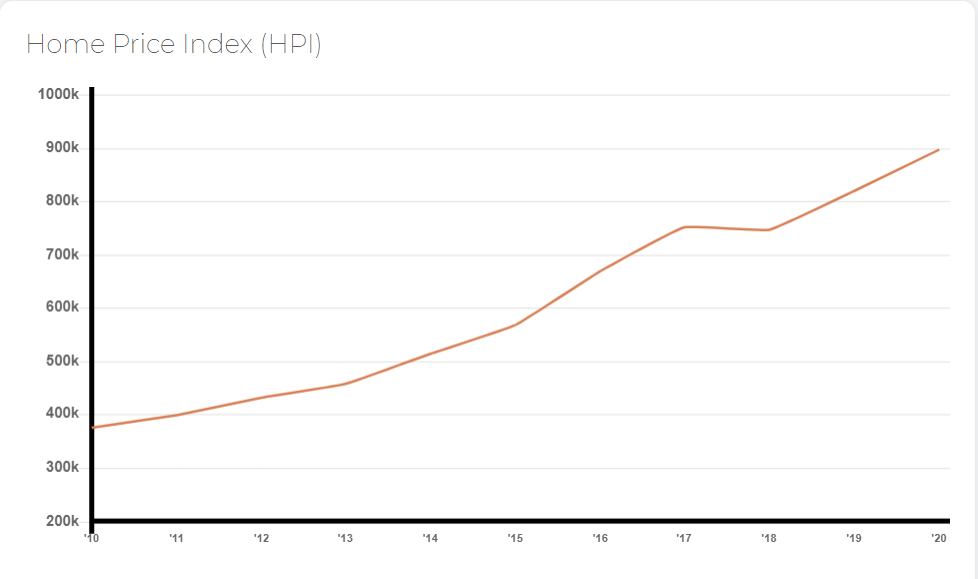
Home Price Index (HPI)
It provides a price growth measure for a benchmark home with the same characteristics over time, allowing for an apples-to-apples comparison from one year to the next.
Condominium Sales Stats
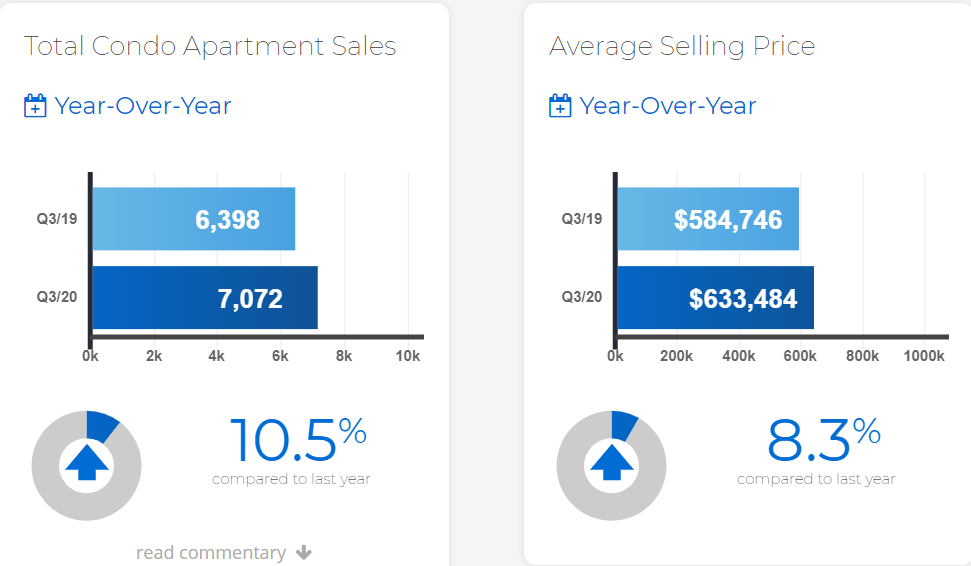
The condominium apartment market experienced a dip in sales and new listings in the second quarter of 2020, as many potential buyers moved to the sidelines as a result of public health measures taken to combat COVID-19 and the resulting economic downturn. With the overall housing market trending toward recovery in June, condo apartment sales will likely improve in the third quarter.
– Michael Collins, TREB President
Condominium Rental Stats
.PNG)
Source: TREB